
2024-10-07
·
Bathroom
Understanding Waterproofing: Are Tile, Stone, and Grout Truly Waterproof?
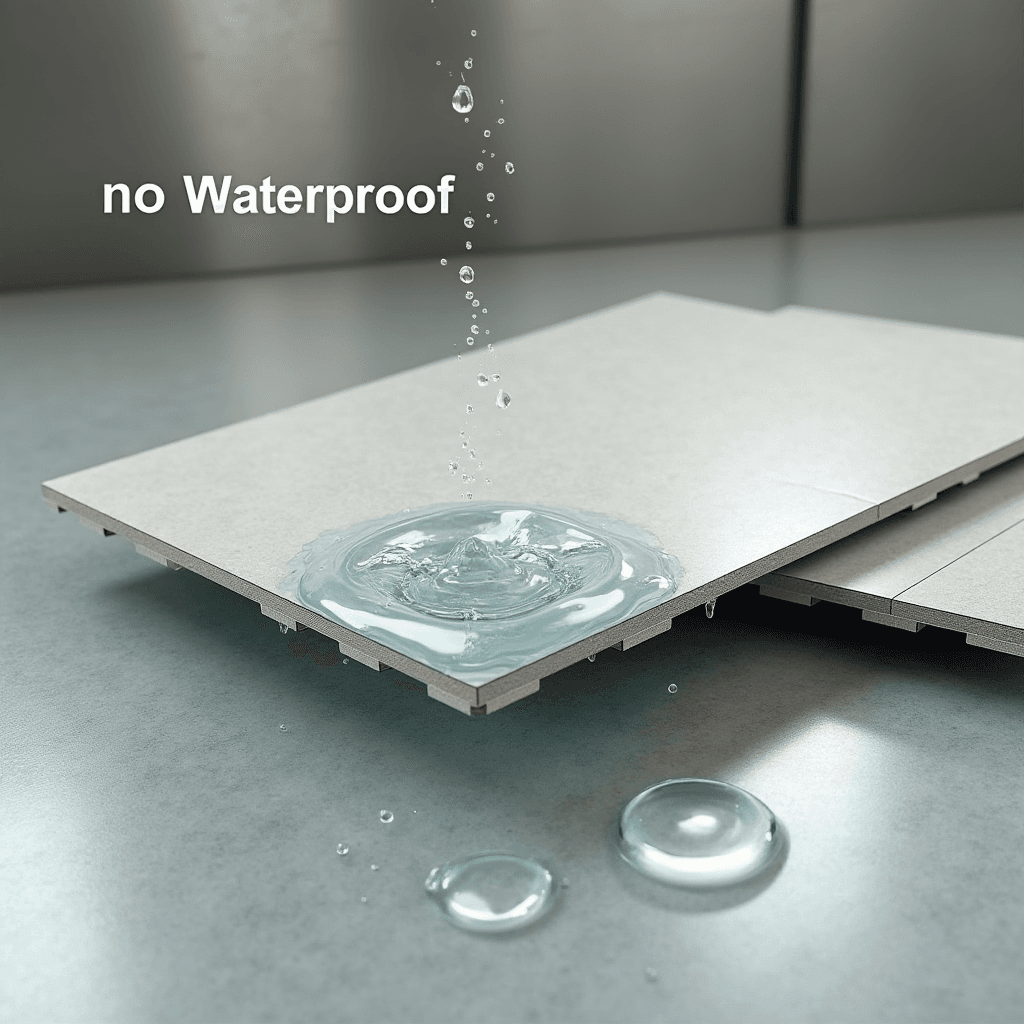
When it comes to tiling projects, waterproofing is a crucial aspect that often gets overlooked. Many homeowners assume that tile, stone, and grout are inherently waterproof, but this misconception can lead to costly water damage and repairs down the line. In this article, we’ll dive into the world of waterproofing and explore why it’s essential for ensuring the longevity and integrity of your tiled surfaces.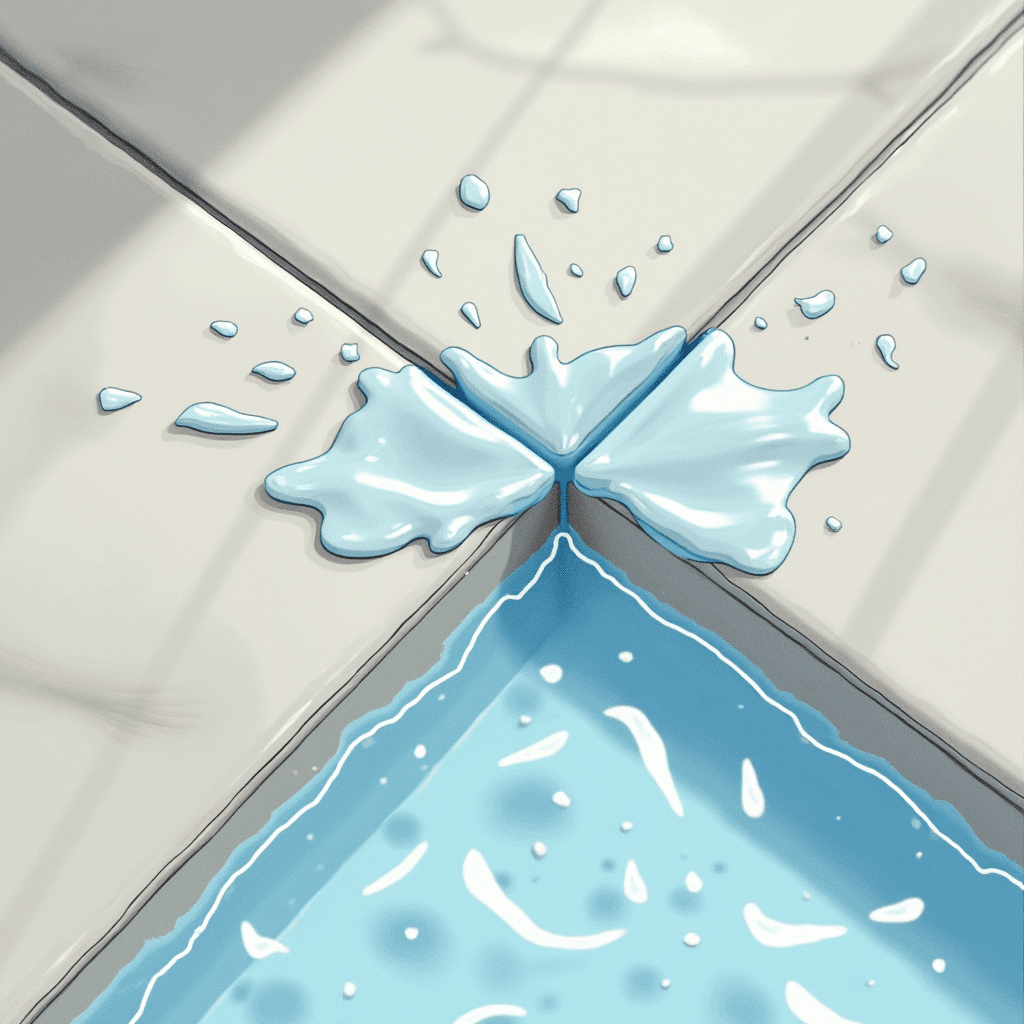 Grout, the material used to fill the gaps between tiles, is porous by nature. This means that it can absorb water, leading to staining, mold growth, and deterioration. Without proper sealing, grout can become a weak point in your tiling system, allowing water to penetrate and cause damage.
 Follow us on social media for more design inspiration:Facebook
Instagram
PinterestFor more on Understanding Waterproofing: Are Tile, Stone, and Grout Truly Waterproof?, visit Floor&Decor.Learn about Understanding Waterproofing: Are Tile, Stone, and Grout Truly Waterproof? at Tile Club.
Follow us on social media for more design inspiration:Facebook
Instagram
PinterestFor more on Understanding Waterproofing: Are Tile, Stone, and Grout Truly Waterproof?, visit Floor&Decor.Learn about Understanding Waterproofing: Are Tile, Stone, and Grout Truly Waterproof? at Tile Club.
The Properties of Tile, Stone, and Grout
While tile, stone, and grout are often touted as water-resistant materials, it’s important to understand that they are not completely waterproof. Here’s a closer look at their properties:Tile and Stone
Tile and stone are dense materials that are resistant to water penetration. However, they are not impervious to water. Over time, constant exposure to moisture can cause tiles to crack, warp, or become loose, allowing water to seep through to the substrate below.Grout
Grout, the material used to fill the gaps between tiles, is porous by nature. This means that it can absorb water, leading to staining, mold growth, and deterioration. Without proper sealing, grout can become a weak point in your tiling system, allowing water to penetrate and cause damage.Common Waterproofing Misconceptions
Many homeowners fall victim to common misconceptions about waterproofing. Let’s debunk a few of these myths:- “Tile and stone are waterproof, so I don’t need additional waterproofing.”
- “Sealing the grout is enough to prevent water damage.”
- “Waterproofing is only necessary for high-moisture areas like showers and bathtubs.”
The Benefits of Proper Waterproofing
Investing in proper waterproofing for your tiled surfaces offers numerous benefits:Preventing Water Damage
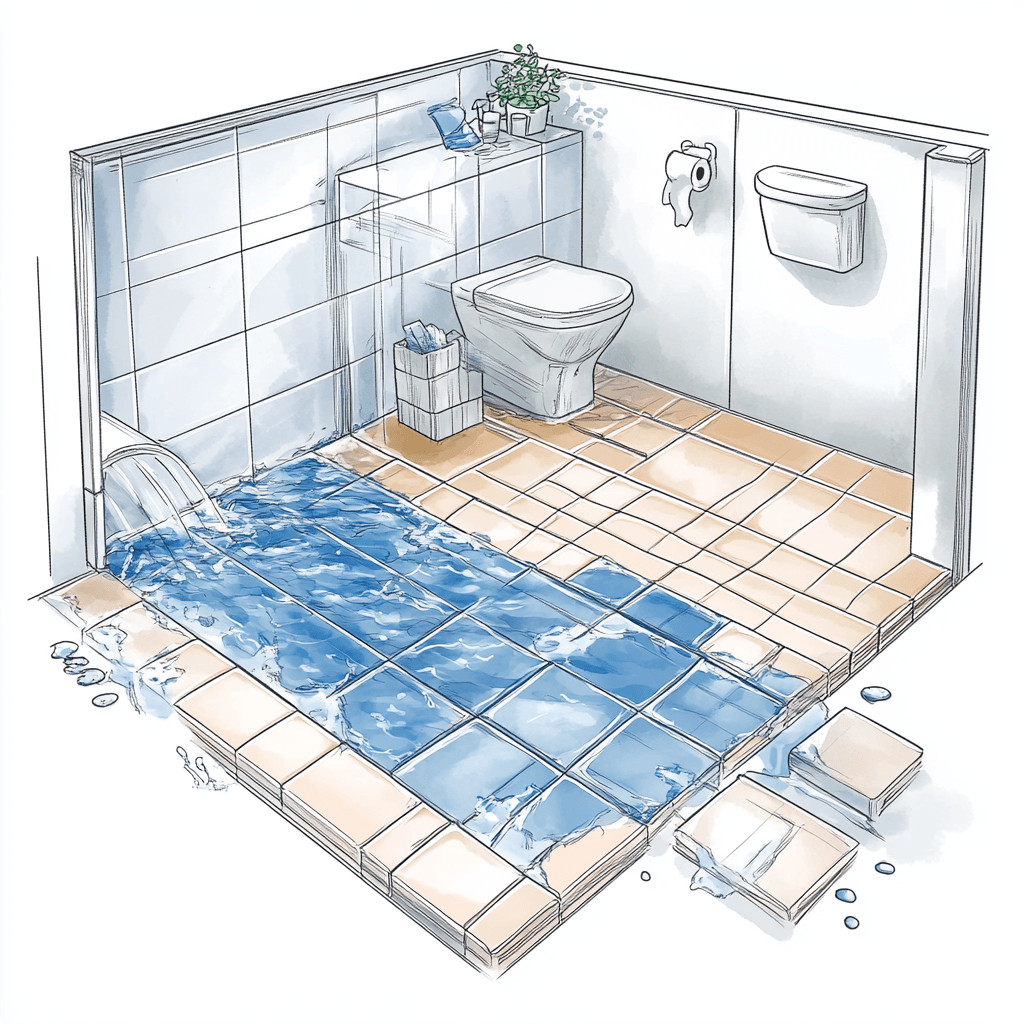
By creating a barrier against water penetration, waterproofing helps prevent moisture from seeping into the substrate and causing structural damage, such as rot, mold growth, and weakening of the building materials.Enhancing Durability
Waterproofing extends the lifespan of your tiled surfaces by protecting them from the detrimental effects of water exposure. This means your tiles will remain beautiful and functional for years to come.Saving Money in the Long Run
While waterproofing may seem like an additional expense upfront, it can save you significant costs in the long run by preventing expensive repairs and renovations due to water damage.Tilers4You: Your Waterproofing Experts
At Tilers4You, we understand the importance of proper waterproofing for your tiling projects. Our team of experienced professionals is dedicated to providing top-notch waterproofing solutions tailored to your specific needs.Addressing Common Waterproofing Challenges
We’ve encountered numerous waterproofing challenges over the years, such as incorrect installation techniques, inadequate surface preparation, and the use of subpar materials. Our expertise allows us to identify and address these issues, ensuring a watertight and long-lasting result.Advanced Waterproofing Techniques
Tilers4You employs advanced waterproofing techniques that go beyond simple surface treatments. We use high-quality waterproofing membranes, specialized coatings, and innovative drainage systems to create a comprehensive waterproofing solution.Case Studies: Successful Waterproofing Projects
Our portfolio is filled with successful waterproofing projects that showcase our expertise. From residential bathrooms to commercial swimming pools, we’ve tackled a wide range of waterproofing challenges. Here are a couple of notable examples:The Smith Residence
We waterproofed a large, multi-level shower area, preventing water from seeping into the walls and floors of the adjacent rooms.City Center Mall
Our team waterproofed the expansive tiled flooring of a busy shopping mall, ensuring a safe and slip-resistant surface for thousands of daily visitors.Why Choose Tilers4You for Your Waterproofing Needs?
When it comes to waterproofing your tiled surfaces, choosing the right professionals makes all the difference. Here’s why Tilers4You stands out in the industry:Unmatched Expertise
With years of experience and a deep understanding of waterproofing techniques, our team has the knowledge and skills to tackle even the most challenging projects.Quality Materials
We use only the highest-quality waterproofing materials sourced from trusted suppliers. This ensures long-lasting results and peace of mind for our clients.Customized Solutions
We understand that every project is unique. That’s why we offer customized waterproofing solutions tailored to your specific requirements and budget.Conclusion
Waterproofing is a critical aspect of any tiling project, and it should never be overlooked. While tile, stone, and grout are water-resistant, they are not inherently waterproof. Investing in proper waterproofing measures is essential for preventing water damage, enhancing durability, and saving money in the long run.At Tilers4You, we are committed to providing top-quality waterproofing solutions for your tiled surfaces. Our expertise, advanced techniques, and high-quality materials set us apart in the industry. Don’t leave your waterproofing needs to chance. Choose Tilers4You for a watertight and long-lasting result.Contact Us today to learn more about our waterproofing services and schedule your consultation!Other Links
How to Install HardieBacker: Floor Preparation Guide
2024-11-18
·
all tiles
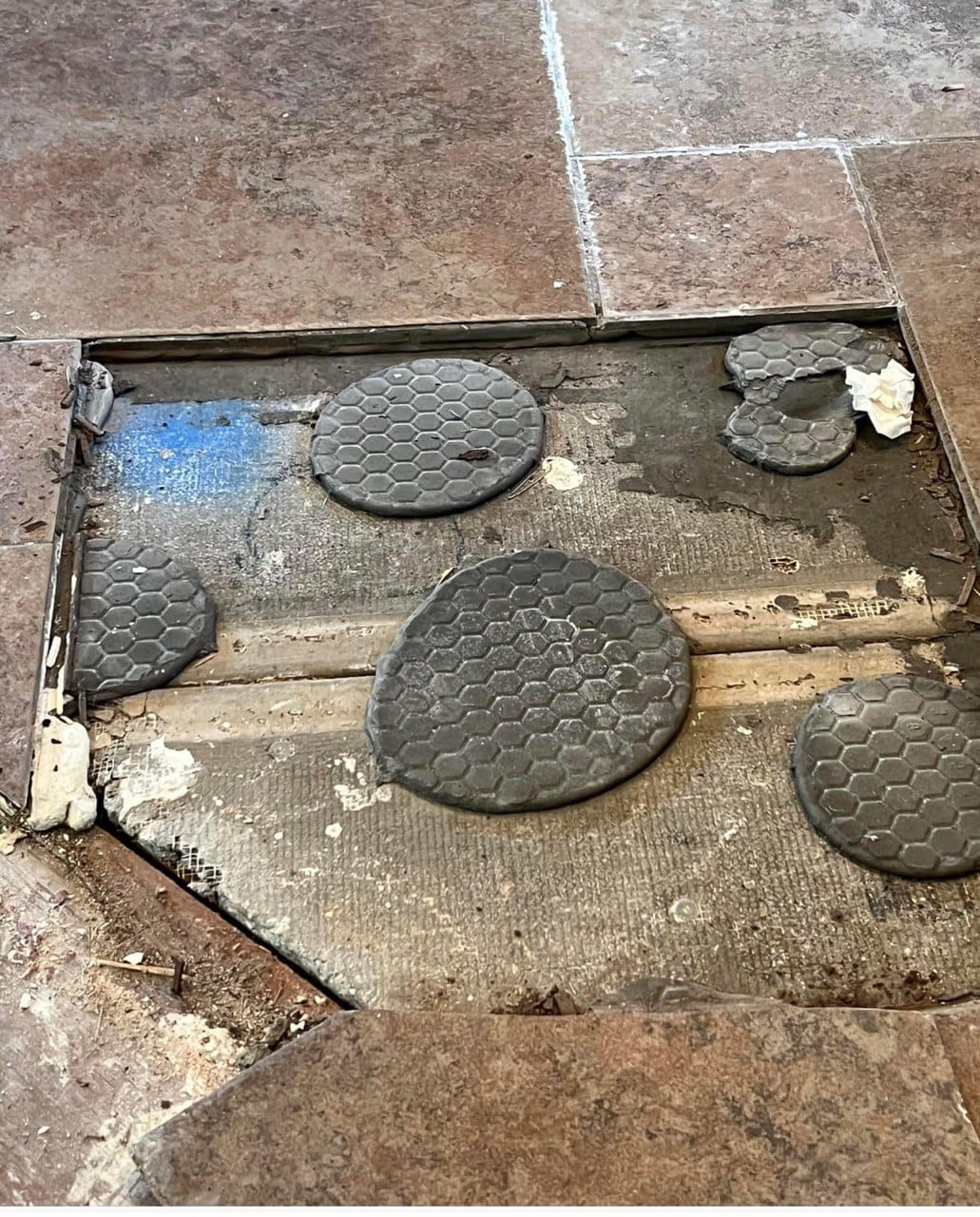
Perils of Poor Tile Installation: Why Quality Matters
2024-10-16
·
all tiles
Understanding Waterproofing: Are Tile, Stone, and Grout Truly Waterproof?
2024-10-07
·
Bathroom